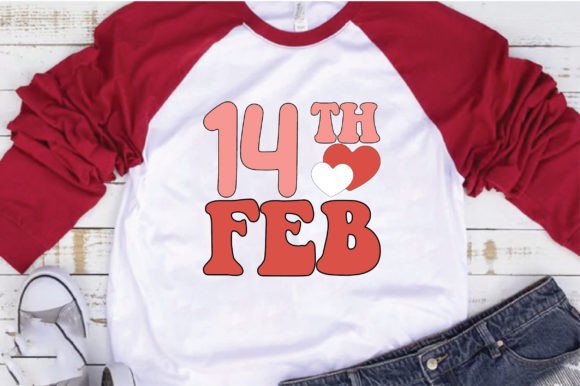
14 Th Feb
As a designer who’s spent years working with machine embroidery designs, I always start by asking: does this design feel right for real-world use? 14 Th Feb is a high-resolution PNG with a transparent background, and while it’s not an SVG or an applique design, it still has potential. But what does that mean in practice?
First Impressions of 14 Th Feb
From the moment I open 14 Th Feb, it feels like a design meant for something personal. The layout is clean, the theme is straightforward, and the details are simple enough to work well on a variety of surfaces. It’s not overly complex, which makes it versatile but also raises questions about how it will translate into actual embroidery.
The visual personality of 14 Th Feb is calm and elegant. It doesn’t scream for attention, but it doesn’t fade into the background either. It’s the kind of design that could work as a subtle emblem on a tote bag or a soft accent on a baby onesie. The size—12×12 inches—suggests it’s meant for larger projects, but that also means it might not be ideal for small items like caps or patches without scaling down.
How 14 Th Feb Performs in Real Embroidery Projects
When I think about where 14 Th Feb would fit best, I picture custom apparel, especially t-shirts and sweatshirts. The design isn’t too dense, so it should work well with fill stitches and satin stitches without overwhelming the fabric. But I’d be cautious about using it on thin or stretchy materials. The design’s simplicity could help it avoid issues with thread tension, but I’d still want to test it on scrap fabric first.
For baby items, 14 Th Feb could be a good choice if the design is scaled appropriately. Tiny lettering or intricate details might get lost, but the overall shape is clear. I’d recommend using a stabilizer to keep the fabric from puckering, especially if the design is placed on a curved surface like a cap or a pillow cover.
On mugs and signs, 14 Th Feb seems more at home. The transparent background makes it easy to place over different color schemes, and the high resolution ensures clarity. But again, I’d check how it looks when stitched. If the design relies on fine lines or delicate elements, those could become distorted during the embroidery process.
Where 14 Th Feb Needs Careful Handling
There are some situations where 14 Th Feb might not perform as well. Small hoop sizes could be a problem, especially if the design needs to be split into sections. On textured fabrics, the design might not sit as smoothly, and on dark or light backgrounds, the contrast could be an issue. I’d recommend testing it on both types of fabric before committing to a project.
For commercial embroidery projects, 14 Th Feb could work as a digital embroidery file, but I’d need to confirm the licensing terms before selling finished products. It’s also important to consider stitch density. If the design is too dense, it could cause the fabric to pucker or the threads to break. I’d advise checking the design’s structure and adjusting the settings accordingly.
If you’re planning to use 14 Th Feb on layered garments or curved surfaces, be prepared for some challenges. The design might not lay flat, and the stitching could pull or distort. For personalized gifts or handmade products, the design’s simplicity could be a strength, but it also means you’ll have to rely on other elements to make the final product stand out.
What 14 Th Feb Adds to Your Work
One of the things I appreciate about 14 Th Feb is its adaptability. It can be used in a range of applications, from printable mockups to digital product previews. As an Etsy seller or a small shop owner, having a design that works across multiple formats can save time and effort. But it also requires careful consideration of how it will look when stitched.
When it comes to customer trust and brand consistency, 14 Th Feb offers a clean, professional look. It’s not flashy, but it’s reliable. For a craft business, that reliability can be valuable. However, if your brand leans toward bold or intricate designs, 14 Th Feb might not align with your aesthetic.
From a buyer engagement perspective, 14 Th Feb is neutral enough to appeal to a wide audience. It’s not tied to any specific holiday or event, which makes it versatile but also less likely to stand out in a crowded market. If you’re looking for something that can be used year-round, this design could be a good fit.
Practical Notes for Embroidery Designers
Before using 14 Th Feb in your next project, here are a few things to keep in mind:
- Test the design on scrap fabric to see how it looks when stitched.
- Check thread color contrast against the fabric to ensure visibility.
- Review stitch density to avoid overworking the design or damaging the material.
- Confirm the hoop size needed for your machine and project.
- Inspect small details to make sure they hold up under stitching.
- Try it in black and white mockups to see how it translates without color.
- Compare it on light and dark fabric backgrounds for better placement decisions.
- Use the right stabilizer to prevent puckering or distortion.
- Make sure it works for both personal and commercial use.
- Verify the licensing terms before selling finished items or digital products.
These steps may seem basic, but they can make a big difference in the final outcome. Whether you’re an embroidery designer, a small business owner, or a hobbyist, taking the time to evaluate a design like 14 Th Feb can help you avoid common pitfalls and create better results.
Final Thoughts on 14 Th Feb
14 Th Feb is a solid design for those who value simplicity and versatility. It’s not perfect for every situation, but it has clear strengths when used correctly. As a designer, I’d say it’s best suited for custom apparel, printed merchandise, and non-commercial projects where clarity and ease of use matter most.
If you’re looking for something that can be adapted to multiple formats and uses, 14 Th Feb is worth considering. Just be mindful of its limitations and take the time to test it in real-world conditions. That way, you’ll know exactly how it will look and perform when it’s time to deliver the finished product.